why is low pressure fitness the best postpartum exercise?
Have you had a baby? Or two? Or three? Or more? Do you feel like your tummy has never gotten back to the way it was before kids? Do you worry you are always going to have a little more abdominal distention than you did before you had kids? Let me introduce you to the best postpartum exercise I have seen yet.
As a women’s health physical therapist, I have worked with hundreds of women in many different seasons of life. For the most part, traditional core and pelvic floor strengthening would be beneficial and helpful for them. However, certain conditions, such as prolapse and diastasis rectus abdominis, were just hard to correct with traditional postpartum exercise.
Until I discovered low pressure fitness (LPF). Low pressure fitness is the best postpartum exercise I’ve come across as a pelvic floor specialist. Let me tell you why.
Why Low Pressure Fitness is the Best Postpartum Exercise
1. It is safe.
While most resources suggest waiting at least six weeks postpartum before returning to exercise, low-pressure fitness and hypopressive breathing are safe to begin right away after a vaginal birth. Of course, I strongly recommend spending the first few weeks bonding with your newborn and not doing any intentional exercise. But hypopressive breathing is so gentle, it actually feels healing. It is actually healing you from the inside out.
2. It reflexively and functionally strengthens the pelvic floor muscles.
Yes, kegals are great for strengthening the pelvic floor muscles, and they still have a place in postpartum recovery. What I love about low pressure fitness is that it strengthens the pelvic floor muscles functionally and reflexively, as they are used as primary core stability muscles. Your pelvic floor muscles are part of your deepest core. They stabilize the spine and pelvis and are at the center of all movement. Functionally, they contract without conscious effort on our part. Low pressure fitness strengthens the functional, involuntary muscle fibers of the core and pelvic floor.
3. It functionally strengthens the deepest core muscles.
Postpartum core training isn’t about doing more ab strengthening exercises—it’s about reconnecting the entire core system. Low Pressure Fitness helps retrain the diaphragm, pelvic floor, and deep abdominal muscles to work together again reflexively, creating a foundation of true stability and strength from the inside out.
4. It reduces pressure inside the intra-abdominal cavity.
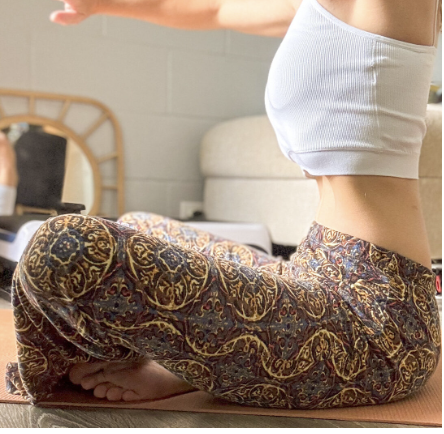
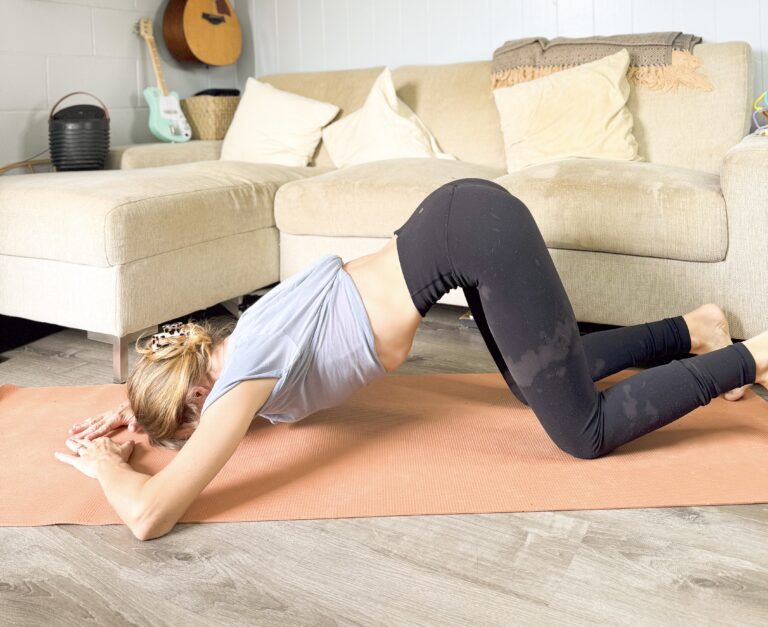
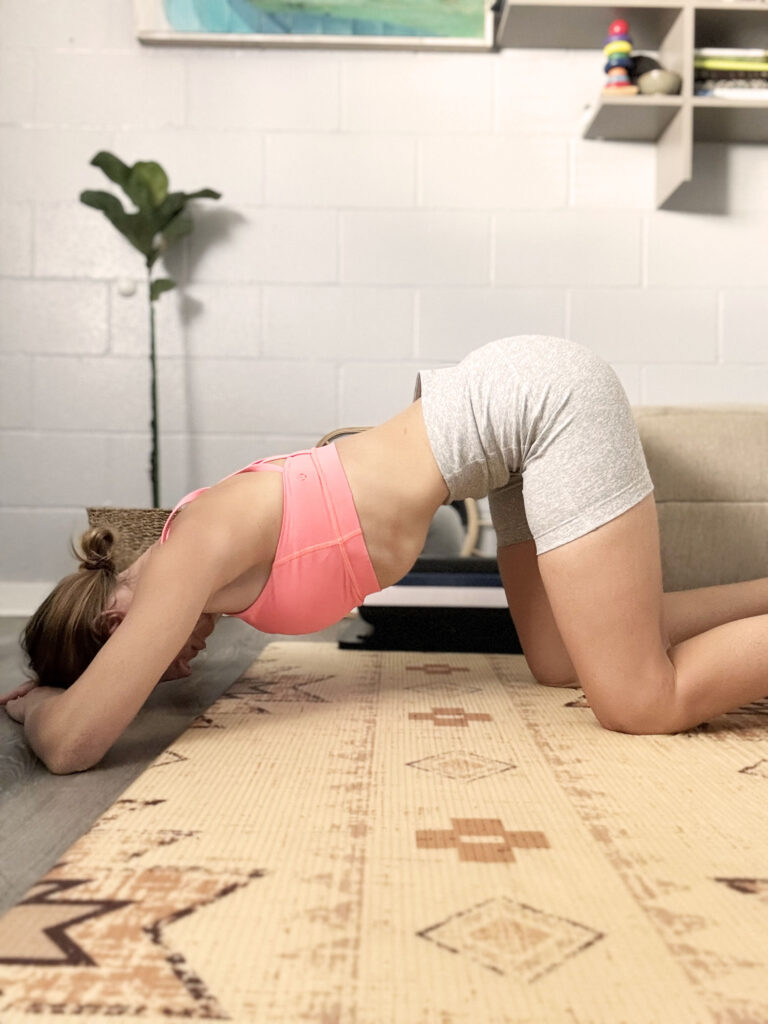
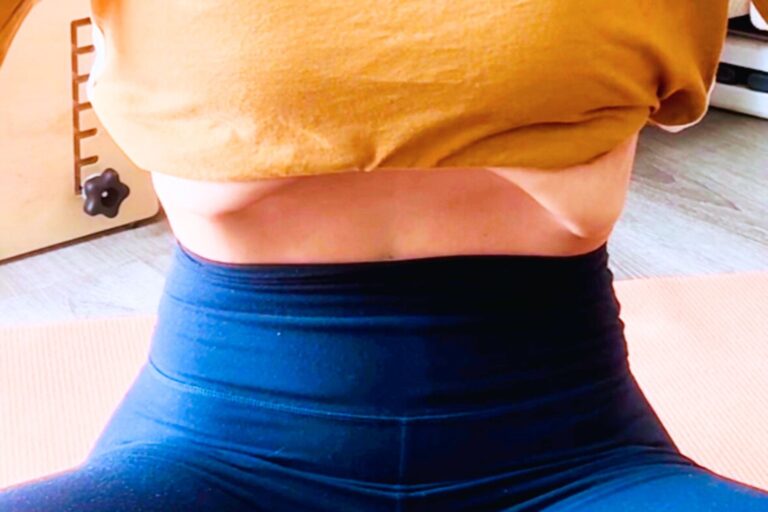
While most of our daily activities (lifting babies, working out, etc.) increase pressure in our abdominal cavity, low pressure fitness is one of the only exercises that reduces abdominal pressure. This is crazy beneficial for postpartum recovery by lifting the pelvic floor and recentering the lower abdominal organs.
5. It helps to close a distasis Recti.
One amazing aspect of low pressure fitness is it’s design to support healing of connective tissue and strengthen the fascia for whole-body support. During pregnancy, our superficial abdominal muscles elongate and separate to allow space for Baby to grow. Low pressure fitness helps to close a diastasis recti by strengthening the abdominal fascia and improving tension and integrity of the linea alba after Baby is born.
6. It lifts the pelvic floor.
Hypopressive breathing, the type of breathing used in low pressure fitness, reflexively lifts the pelvic floor by reducing downward pressure through the pelvis, lifting the lower abdominal organs, and reflexively engaging the pelvic floor muscles.
7. It Creates a Foundation for Everything Else
One of the biggest benefits of Low Pressure Fitness is that it prepares your body for all other movement. Before returning to running, strength training, or high-impact workouts, LPF helps ensure your body can effectively manage pressure, stabilize the core, and move without compensation. Rather than simply being another workout, it creates a strong, functional foundation that supports safe progression and long-term strength.
How Does low pressure fitness compare with traditional postpartum core strengthening
While traditional postpartum core exercises often focus on strengthening the abdominal muscles directly, Low Pressure Fitness (LPF) takes a more comprehensive, physiology-based approach—one that prioritizes pressure management, coordination, and long-term function.
Through breath work, postural alignment, and specific techniques that reduce intra-abdominal pressure, LPF creates an environment where healing can occur without additional strain. It is the only exericse I know that reduces pressure while functionally training the deep core system.
LPF focuses on reflexive activation. By using breath and positioning, it encourages the diaphragm, pelvic floor, and deep abdominal muscles to coordinate automatically. This mirrors how the body is designed to function in real life—responding dynamically to movement, rather than relying on constant conscious engagement.
LPF prioritizes function first. By restoring alignment, improving load transfer, and retraining the body’s natural support system, it builds a type of strength that carries over into everyday life—lifting, carrying, bending, and eventually returning to higher-impact exercise.
This isn’t to say traditional core strengthening has no place in postpartum recovery—it absolutely does. But timing and sequencing matter.
Low Pressure Fitness serves as a foundation. It prepares the body to return to more traditional strength training safely and effectively by first restoring the internal systems that support those movements. Once pressure is well-managed and coordination is reestablished, more dynamic and load-based exercises can be layered in with greater confidence.
The bottom line on why low pressure fitness is the best postpartum exercise
The key difference between Low Pressure Fitness and traditional postpartum core strengthening is not just the exercises themselves—it’s the approach. LPF works from the inside out, restoring the body’s natural systems before adding intensity. In doing so, it supports deeper healing, reduces the risk of compensation, and lays the groundwork for long-term strength and resilience.